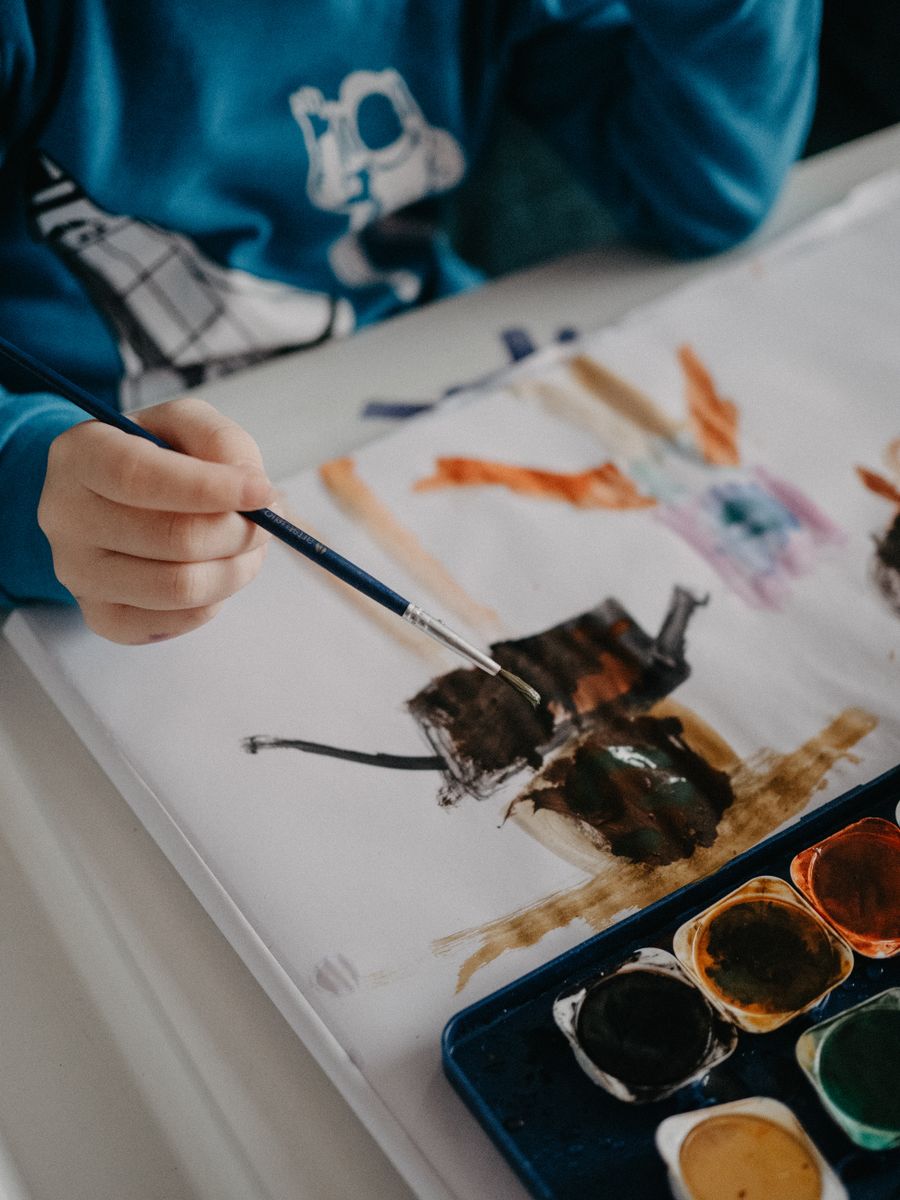
A parent usually shows up expecting the first session to produce something showable. I'd rather it produce something that has the child's fingerprints all over it.
Small is fine
A character who can talk. A page about their favourite animal. A game with one rule. If a kid finishes something small and made they chose every part of, they will ask to build again. That is the outcome.
Where the child decides
The idea is theirs. What the character says is theirs. What works and what is broken, they judge. AI drafts and suggests, and the child keeps what fits and changes the rest.
That split, deciding and fixing, is where the learning lives. Watch a child reject three AI suggestions and ask for a fourth. That is judgment, growing in real time.
It stays theirs
The project ends on the internet, supervised, or in a folder that counts. They can open it next week, change it, show a friend. That ownership is the point of the whole exercise.